Utuana Reserve

Protecting Montane Cloud Forests

It was created in memory of Hanne Bloch, who contributed to the protection of remnants of montane cloud forest in the southwest of Ecuador. Initially, this reserve was acquired with funds donated by the Bloch family. Today, it is managed by the Jocotoco Foundation in cooperation with the Arcoiris Foundation.

General information

  • icono_ubicacion
    Province: Loja
  • icon_fecha_creacion
    Creation date: 2001
  • icon_area1
    Area: Approx. 155 acres
  • icon_temperatura
    Temperature: 15 °C
  • icono_ecosistema-
    Ecosystem: Cloud forest
  • icon_clima
    Climate: Temperate
  • icon_altitud
    Altitude range: 2120 – 2640 meters above sea level

Facilities and services

iconos-jocotours-Birding

Birdwatching and nature tours

iconos-jocotours-Photography-

Excellent photo opportunities

iconos-jocotours-Self-guided trails

Self-guided trails of low difficulty

iconos-jocotours-hanging mosses

Forest of lichens and hanging mosses

iconos-jocotours-Hummingbird Garden

Hummingbird feeders

iconos-jocotours-Park ranger escort available

Park ranger escort available

iconos-jocotours-Parking lot

Parking lot

Biological importance

It is crucial for the conservation of endemic montane species in the Tumbes region, including the Rufous-necked Foliage-gleaner (Syndactyla ruficollis), the Gray-headed Antbird (Ampelornis griseiceps), the Piura Hemispingus (Hemispingus piurae), and the Black-cowled Saltator (Saltator nigriceps).

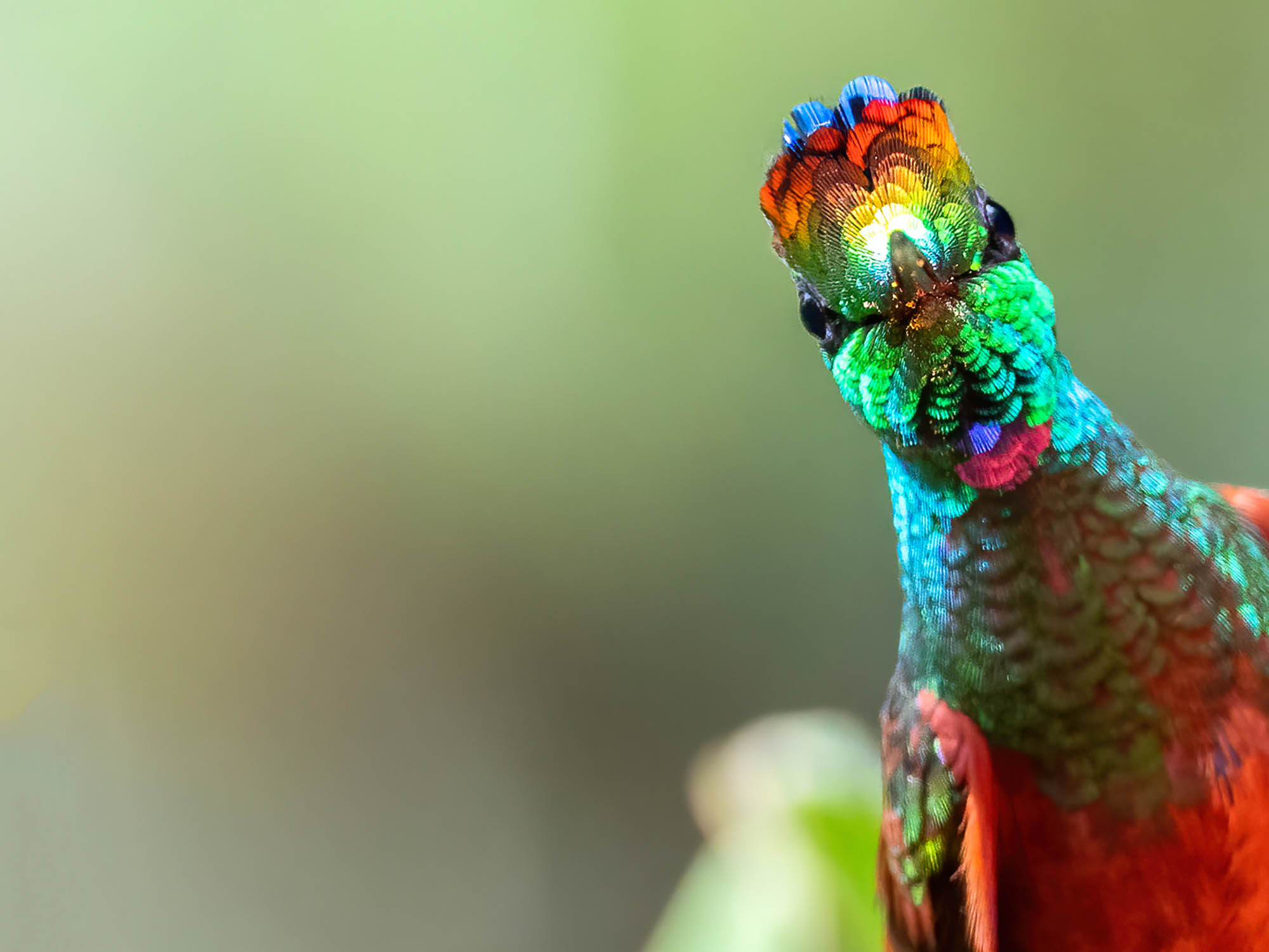
During the dry season, this area serves as a refuge for birds from lower lands, especially the Ochre-bellied Dove (Leptotila ochraceiventris). It also hosts high-altitude species such as the White-throated Screech Owl (Megascops albogularis) and the Undulated Antpitta(Grallaria squamigera). Additionally, two beautiful hummingbird species can be found: the Rainbow Starfrontlet (Coeligena iris) and the Purple-throated Sunangel (Heliangelus viola).

Other restricted-range birds present in Utuana include the Chapman’s Batará (Thamnophilus zarumae), the Jelski’s Chat-Tyrant (Ochthoeca jelskii), and the Bay-crowned Brushfinc (Atlapetes seebohmi).

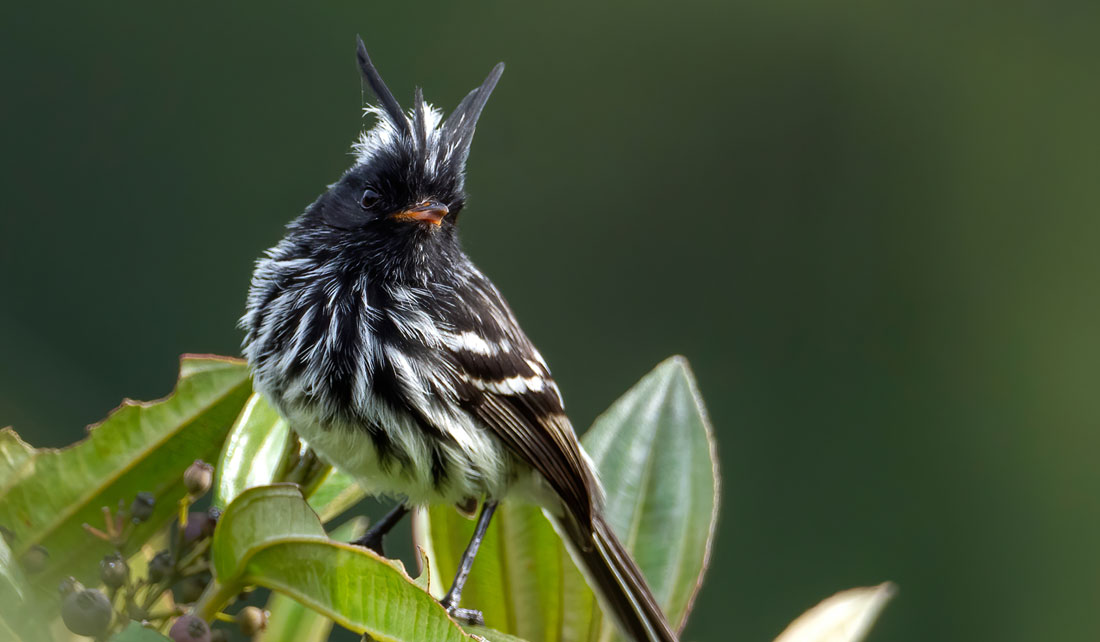
The Peruvian Sheartail (Thaumastura cora) and the Black-crested Tit-Tyrant (Anairetes nigrocristatus) have only been recorded in this part of Ecuador. Furthermore, the first recorded sighting of the Rusty-breasted Antpitta (Grallaricula ferrugineipectus) was made here, a species that has only been observed in three other locations besides Utuana.

This area is vital for the protection of montane cloud forests, which are on the brink of extinction.

How to get there?

From Macará: Take the Macará – Sozoranga – Utuana route. It’s approximately a 50-minute drive. Once you arrive in the town of Utuana, take the dirt road on the right. After 300 meters, you’ll see a welcome sign from the Jocotoco Foundation.

From Loja: Take the road toward the Catamayo Valley and continue along this route until you reach the city of Cariamanga, about 103 kilometers away. Head west to reach the town of Utuana and take the dirt road on the right. After 300 meters, you’ll find a welcome sign from the Jocotoco Foundation.

Hours of Operation

Every day: Visits by reservation only.

Entrance Fee

Rates are in US dollars

Type of visitors

Rate (per person)

Foreign

$15

National*

$5

Older adults and children**

$2.50

* Special rates for national visitors, residents, and the Andean community.

** Children from 5 to 11 years old


Tips for your visit
  • This is an ideal spot for birdwatchers—don’t forget to bring your bird guide and binoculars.
  • Trails can be damp, so we recommend wearing hiking boots.
  • The weather is cool with occasional fog, so be sure to bring a rain jacket.
  • Please take all the trash you generate with you. With your help, we keep the reserve clean. Thank you for your cooperation!
General Guidelines
  • Please refrain from bringing pets — this helps protect the native wildlife and plants.
  • Do not touch or feed wild animals — this is the best way to protect them and respect their natural habitat.
  • Always follow the instructions of our park rangers — they are here to ensure your safety and the protection of the reserve.

Fill out the form and we’ll get in touch