The Tumbesian Dry Forests extend from southern Ecuador to northern Perú. The vegetation in this region is diverse and includes various specialized habitats, such as arid shrublands, deserts, tropical deciduous forests, and premontane deciduous forests, with their presence depending on altitude, humidity, and rainfall. Remnants of the largest forests in the region still exist, and these remain in good condition, covering a significant altitudinal gradient. For this reason, Jorupe is home to a large number of threatened or range-restricted species. The structure of the forest, dominated by Ceiba trees (Ceiba pentandra), remains nearly intact. Furthermore, the abandoned pastures in the area have high potential for reforestation and connection to key habitats.
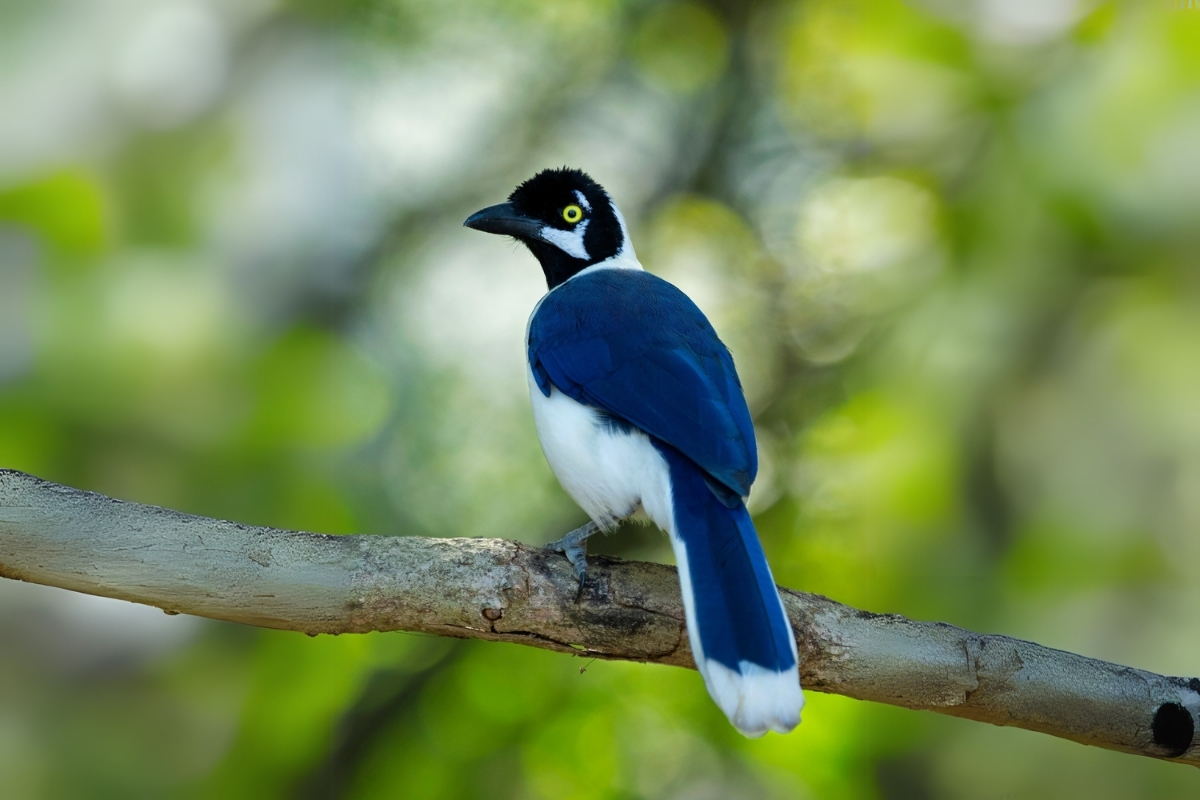
More than 250 bird species have been recorded in Jorupe, including nearly all of the endemic species of the Tumbesian dry forests that exist in Ecuador, such as: the Pale-browed Tinamou (Crypturellus transfasciatus), Gray-cheeked Parakeet (Brotogeris pyrrhoptera), the Slaty Becard (Pachyramphus spodiurus) the Gray-breasted Flycatcher (Lathrotriccus griseipectus), the Elegant Crescentchest (Melanopareia elegans) the Blackish-headed Spinetail (Synallaxis tithys), Scaly-throated Foliage-gleaner (Anabacerthia variegaticeps), the Henna-hooded Foliage-gleaner (Clibanornis erythrocephalus), the White-tailed Jay (Cyanocorax mystacalis), the Watkins’s Antpitta (Grallaria watkinsi), the Black-capped Sparrow (Arremon abeillei) and the White-edged Oriole (Icterus graceannae). Among these endemic species, 15 are globally threatened. Additionally, it is an excellent place to observe the King Vulture (Sarcoramphus papa) soaring over the reserve.