Jorupe Reserve

A Core Area of the Binational Forest of Peace

The reserve covers 50% of the Jorupe River basin. At its summit is the Jatumpamba mountain range, designated as a protected forest by the Ecuadorian government. It was named a core area in the planning of the Binational Biosphere Reserve between Ecuador and Perú, called the Forest of Peace, due to the significant importance of this protected area for the Tumbesian region.

General information

  • icono_ubicacion
    Province: Loja
  • icon_fecha_creacion
    Creation date: 2009
  • icon_area1
    Area: Approx. 4620 acres
  • icon_temperatura
    Temperature: 17 – 24 °C
  • icono_ecosistema-
    Ecosystem: Tumbes dry forest, Cloud forest.
  • icon_clima
    Climate: Tropical, dry, and sunny
  • icon_altitud
    Altitude range: 200 – 2400 meters above sea level

Facilities and services

iconos-jocotours-Bird feeders

Bird and mammal feeders

iconos-jocotours-Self-guided trails

Extensive network of easily accessible trails and scenic routes

iconos-jocotours-accomodation-1

Accommodation at Urraca Lodge

iconos-jocotours-Park ranger escort available

Park ranger escort available

iconos-jocotours-Parking lot

Parking lot

Biological importance

The Tumbesian Dry Forests extend from southern Ecuador to northern Perú. The vegetation in this region is diverse and includes various specialized habitats, such as arid shrublands, deserts, tropical deciduous forests, and premontane deciduous forests, with their presence depending on altitude, humidity, and rainfall. Remnants of the largest forests in the region still exist, and these remain in good condition, covering a significant altitudinal gradient. For this reason, Jorupe is home to a large number of threatened or range-restricted species. The structure of the forest, dominated by Ceiba trees (Ceiba pentandra), remains nearly intact. Furthermore, the abandoned pastures in the area have high potential for reforestation and connection to key habitats.

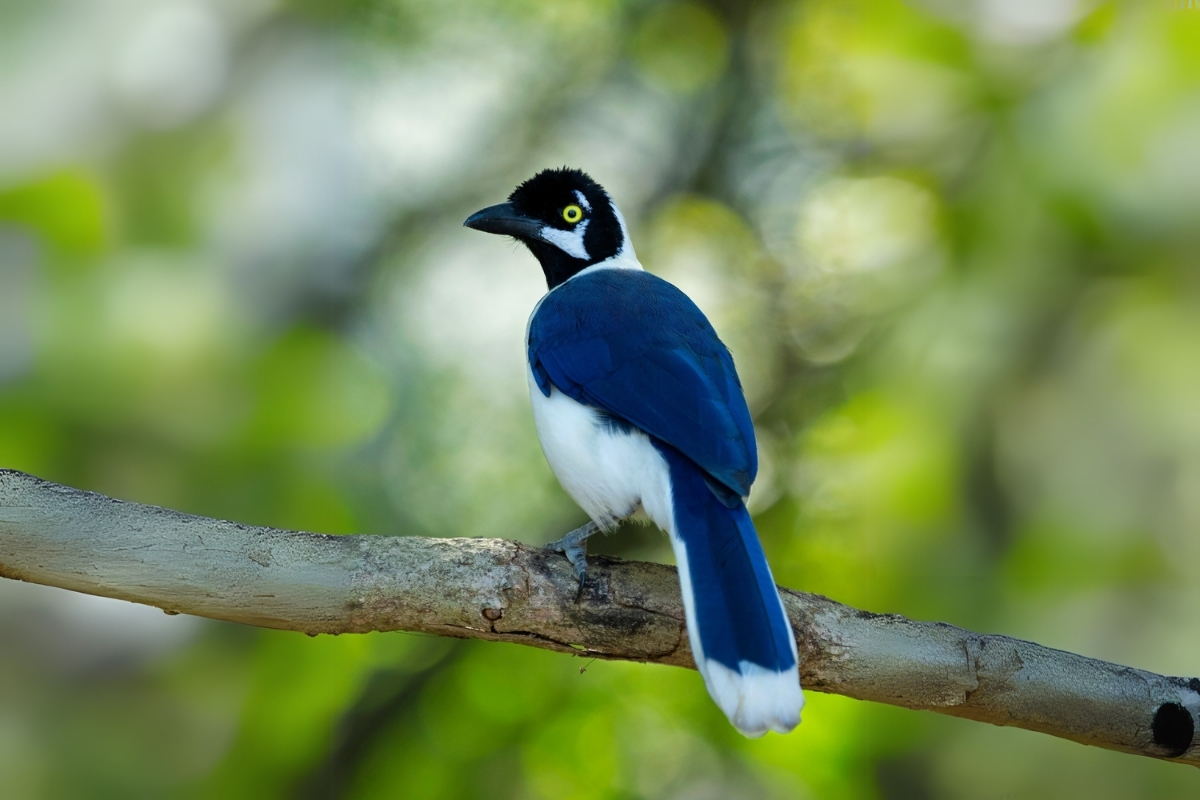
More than 250 bird species have been recorded in Jorupe, including nearly all of the endemic species of the Tumbesian dry forests that exist in Ecuador, such as: the Pale-browed Tinamou (Crypturellus transfasciatus), Gray-cheeked Parakeet (Brotogeris pyrrhoptera), the Slaty Becard (Pachyramphus spodiurus) the Gray-breasted Flycatcher (Lathrotriccus griseipectus), the Elegant Crescentchest (Melanopareia elegans) the Blackish-headed Spinetail (Synallaxis tithys), Scaly-throated Foliage-gleaner (Anabacerthia variegaticeps), the Henna-hooded Foliage-gleaner (Clibanornis erythrocephalus), the White-tailed Jay (Cyanocorax mystacalis), the Watkins’s Antpitta (Grallaria watkinsi), the Black-capped Sparrow (Arremon abeillei) and the White-edged Oriole (Icterus graceannae). Among these endemic species, 15 are globally threatened. Additionally, it is an excellent place to observe the King Vulture (Sarcoramphus papa) soaring over the reserve.

Other points of interest
  • Tumbesian dry forest
  • Visit to the blooming of the Guayacán trees (in January). A unique experience! (45 minutes from the reserve)
  • International bridge for border crossing into Peru (20 minutes away)
How to get there?

From Macará, take the road heading east from the northern part of the city, toward Sozoranga. The reserve is located 10 km along the main paved road. The entrance to the lodge is on the left (there is a large metal sign). Once you enter the reserve, continue for two more kilometers along the road until you reach Urraca Lodge. 

Hours of Operation

Every day: 7:00 AM – 3:00 PM

Last entry of visitors: 1:00 PM

Entrance Fee

Rates are in US dollars

Type of visitors

Rate (per person)

Foreign

$15

National*

$5

Older adults and children**

$2.50

* Special rates for national visitors, residents, and the Andean community.

** Children from 5 to 11 years old

Tips for your visit
  • Wear a hat, sunscreen, and bring plenty of water.
  • Avoid walking during the hottest hours (especially at midday).
  • Wear closed-toe shoes due to the presence of insects.
  • Please take all the trash you generate with you. With your help, we keep the reserve clean. Thank you for your cooperation!
General Guidelines
  • Please refrain from bringing pets — this helps protect the native wildlife and plants.
  • Do not touch or feed wild animals — this is the best way to protect them and respect their natural habitat.
  • Always follow the instructions of our park rangers — they are here to ensure your safety and the protection of the reserve.

Fill out the form and we’ll get in touch